Memahami Roulette dari Sisi Edukasi Sebelum Mulai Bermain
Panduan Roulette yang baik seharusnya dimulai dari pemahaman dasar, bukan dari asumsi berlebihan atau janji hasil yang terdengar terlalu mudah. Banyak orang mengenal roulette hanya sebagai permainan roda putar dengan angka, warna, dan taruhan yang terlihat sederhana. Namun, ketika dibahas lebih dalam, roulette memiliki struktur yang perlu dipahami agar pemain bisa melihat permainan ini dengan sudut pandang yang lebih tenang dan lebih rasional. Dalam konteks edukasi roulette, hal pertama yang perlu diketahui adalah bahwa permainan ini bukan sekadar memilih angka lalu menunggu hasil, melainkan soal membaca jenis taruhan, memahami risiko, mengenali peluang, dan menjaga keputusan tetap tertib dari awal sampai akhir. Inilah alasan mengapa pembahasan tentang tips cerdas, trik bermain, dan rekomendasi strategi menjadi penting bagi pembaca, terutama bagi pemula yang ingin mengerti permainan tanpa terburu-buru. Artikel ini disusun dengan gaya yang humanize agar mudah dipahami, tetapi tetap menjaga kualitas informasi agar nyaman dibaca manusia sekaligus kuat dari sisi SEO on page. Dari sudut pandang E-E-A-T, pendekatan seperti ini penting karena pembaca membutuhkan konten yang terasa realistis, tidak mengada-ada, dan mampu memberi manfaat praktis. Pemain pemula sering kali terjebak pada kesan bahwa roulette hanya soal keberuntungan sesaat, padahal ada banyak aspek kecil yang memengaruhi kualitas keputusan. Misalnya, memahami perbedaan taruhan dalam dan taruhan luar, mengenali irama permainan, serta menyadari bahwa tujuan utama saat belajar roulette bukanlah mengejar hasil cepat, melainkan membangun cara berpikir yang lebih matang. Ketika pembaca mulai memandang roulette sebagai permainan yang perlu dipahami, bukan sekadar dicoba, maka ia sedang menempatkan dirinya pada posisi yang lebih aman dan lebih siap. Karena itu, pembukaan dalam panduan ini sengaja diarahkan pada dasar-dasar edukasi agar pembaca tidak langsung masuk ke tahap tips dan trik tanpa fondasi yang jelas. Semakin kuat pemahaman awal seseorang, semakin mudah pula ia menilai rekomendasi strategi secara objektif. Dalam jangka panjang, sikap seperti inilah yang membuat pengalaman bermain terasa lebih tertib, lebih sadar, dan tidak mudah dipengaruhi emosi sesaat. Maka, sebelum berbicara tentang teknik, taruhan, atau pilihan strategi, langkah paling cerdas adalah memahami dulu bagaimana roulette bekerja, apa saja pilihannya, dan mengapa pendekatan yang bijak jauh lebih berharga daripada tindakan yang tergesa.
Tips Cerdas Memahami Jenis Taruhan Roulette dan Cara Membacanya
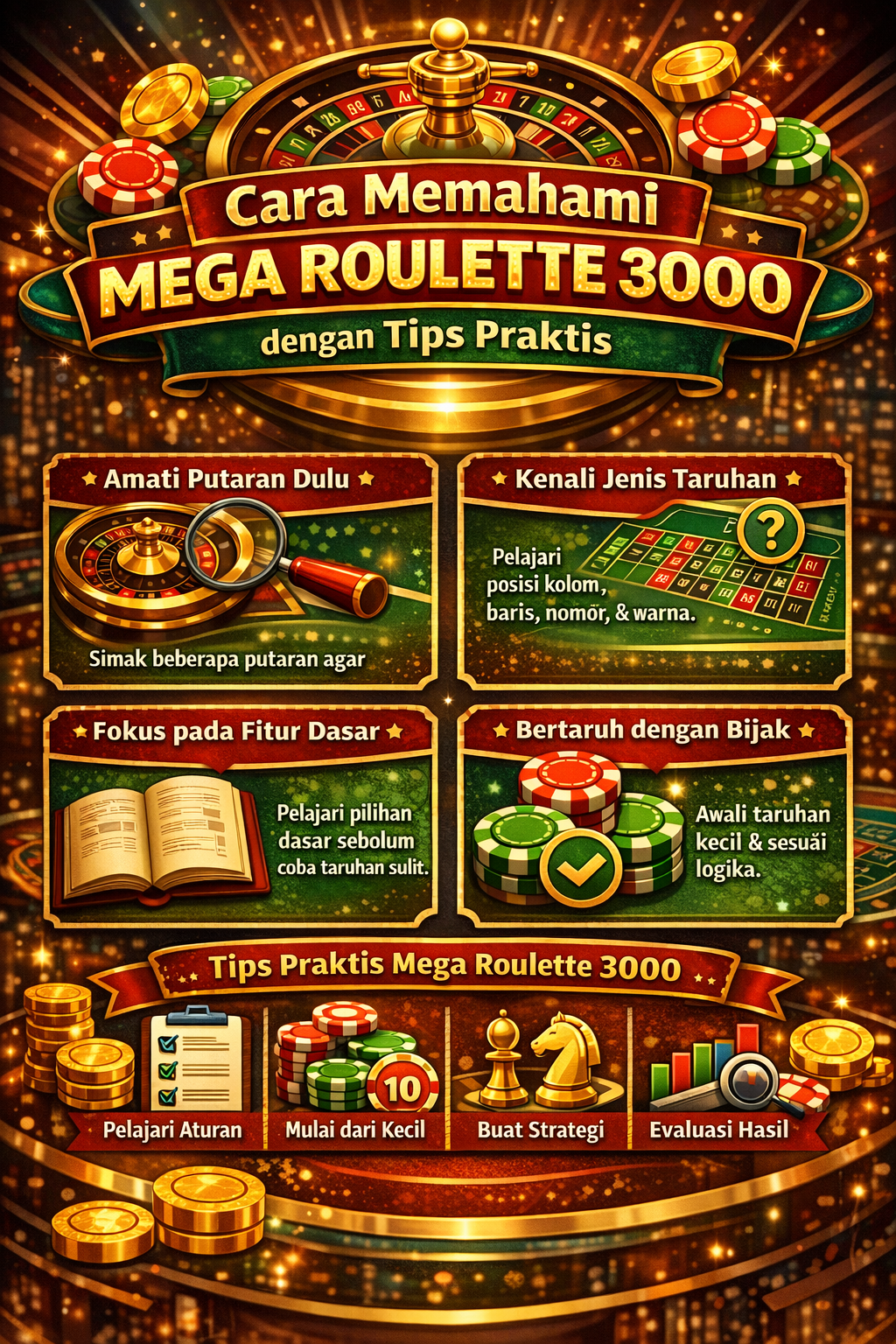
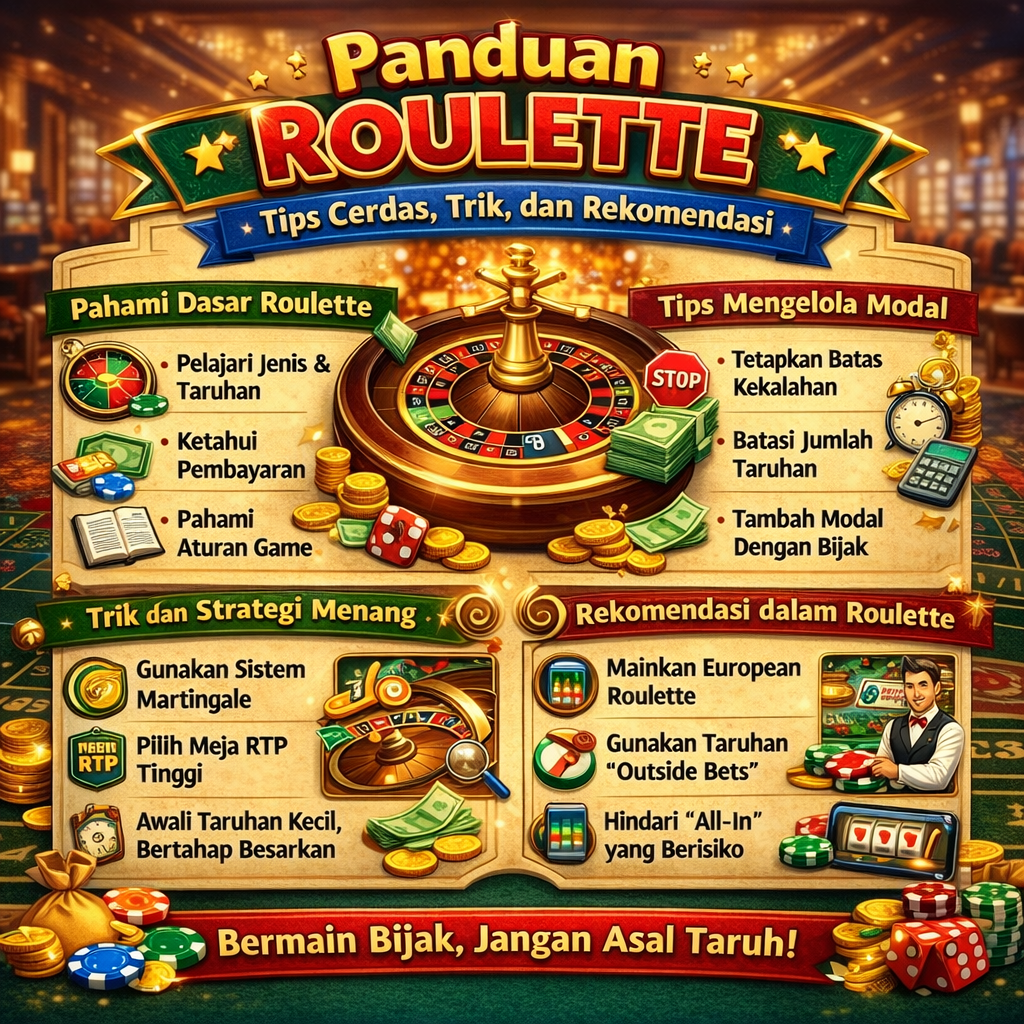
Salah satu inti dari panduan roulette adalah memahami jenis taruhan yang tersedia. Bagi pemula, meja roulette kadang terlihat rumit karena dipenuhi angka, warna, garis, dan susunan taruhan yang tampak padat. Padahal, setelah dipelajari perlahan, struktur taruhan roulette cukup mudah dipahami. Secara umum, ada taruhan yang lebih sederhana seperti merah atau hitam, ganjil atau genap, tinggi atau rendah, dan ada pula taruhan yang lebih spesifik seperti memilih angka tunggal, kombinasi dua angka, atau kelompok angka tertentu. Di sinilah tips cerdas menjadi sangat relevan. Pemain sebaiknya tidak langsung tertarik pada taruhan yang tampak paling menarik secara visual, melainkan mulai dari taruhan yang benar-benar ia mengerti. Mengapa ini penting? Karena keputusan yang baik selalu lahir dari pemahaman, bukan dari dorongan sesaat. Dalam pembahasan roulette yang lebih rasional, taruhan yang sederhana sering menjadi titik awal terbaik bagi pemula karena lebih mudah dibaca, lebih mudah dievaluasi, dan membantu pemain memahami ritme permainan tanpa kebingungan. Selain itu, membaca meja roulette juga bukan sekadar melihat angka, tetapi memahami hubungan antara pilihan taruhan dengan tingkat risiko yang diambil. Taruhan yang terlihat “aman” tetap perlu dipahami batasnya, begitu pula taruhan yang tampak “menggiurkan” perlu dilihat dengan kepala dingin. Rekomendasi terbaik untuk pembaca yang baru belajar adalah meluangkan waktu untuk mengamati meja dan mengenali semua opsi sebelum benar-benar memilih. Dalam sudut pandang E-E-A-T, kebiasaan ini mencerminkan pendekatan yang lebih bertanggung jawab karena pemain tidak terburu-buru bertindak sebelum mengerti konteks. Tips berikutnya adalah jangan memaksa diri mempelajari semua pola taruhan sekaligus. Belajar roulette akan terasa lebih efektif jika dilakukan bertahap. Misalnya, pahami dulu taruhan luar, lalu pelajari taruhan dalam setelah Anda sudah merasa nyaman membaca alur meja. Pendekatan semacam ini membuat proses belajar lebih ringan dan lebih stabil. Pembaca juga perlu tahu bahwa permainan roulette bukan soal seberapa cepat seseorang menguasai semua istilah, tetapi seberapa baik ia bisa menerapkan pemahaman dasar dengan disiplin. Karena itu, bagian penting dari edukasi roulette adalah mengajak pembaca untuk tidak malu memulai dari yang paling sederhana. Justru dari pemahaman sederhana inilah biasanya lahir keputusan yang lebih rapi, lebih tenang, dan lebih konsisten. Semakin jelas seseorang membaca jenis taruhan, semakin kecil kemungkinan ia membuat keputusan acak. Dan dalam permainan seperti roulette, kemampuan menghindari keputusan acak adalah salah satu bentuk kecerdasan yang paling penting.
Trik Bermain Roulette dengan Ritme Tenang dan Strategi yang Realistis
Ketika orang mendengar frasa trik bermain roulette, banyak yang langsung membayangkan adanya rahasia tersembunyi yang bisa menjamin hasil. Padahal, trik yang benar dalam roulette justru sangat dekat dengan kedisiplinan, pengendalian diri, dan ritme yang stabil. Salah satu trik paling penting adalah bermain dengan tempo yang tidak tergesa-gesa. Roulette sering terlihat cepat, terutama ketika pemain lain mulai memasang pilihan dengan gesit, tetapi itu tidak berarti Anda harus ikut terburu-buru. Justru, salah satu ciri pemain yang lebih matang adalah mampu tetap tenang meskipun situasi meja terasa dinamis. Dalam praktiknya, tips bermain roulette yang paling realistis adalah menentukan batas sejak awal. Tentukan jumlah yang siap digunakan, putuskan durasi bermain, dan pahami kapan Anda harus berhenti. Trik seperti ini mungkin terdengar sederhana, tetapi justru inilah fondasi strategi yang sering diabaikan. Banyak keputusan buruk lahir bukan karena pemain tidak tahu caranya, tetapi karena ia bermain tanpa batas yang jelas. Rekomendasi lain yang sangat berguna adalah menjaga nominal taruhan tetap stabil saat masih berada dalam tahap belajar. Mengubah nominal terlalu cepat hanya karena satu atau dua putaran terasa meyakinkan sering kali menjadi awal dari keputusan yang emosional. Dalam pembahasan yang lebih sehat, strategi roulette seharusnya tidak dibangun dari keinginan untuk mengejar hasil dalam waktu singkat, tetapi dari kemampuan membaca permainan dengan lebih sabar. Selain itu, pemain juga perlu memahami bahwa tidak semua sesi harus dipaksakan untuk berjalan lama. Ada kalanya keputusan paling baik justru adalah berhenti lebih awal ketika ritme bermain mulai tidak nyaman. Dari sisi pengalaman nyata, kemampuan berhenti tepat waktu adalah bagian penting dari trik bermain yang bijak. E-E-A-T dalam artikel semacam ini hadir melalui pendekatan yang berbasis pengalaman praktis: menjaga ritme, tidak terpancing suasana, dan tetap berpegang pada batas yang sudah dibuat. Pemain yang bermain dengan pikiran tenang biasanya lebih mampu menilai kondisi meja, lebih peka terhadap pola keputusan dirinya sendiri, dan tidak mudah terpancing untuk mengambil langkah yang terlalu agresif. Maka, saat membahas trik roulette, fokus utamanya seharusnya bukan pada pencarian jalan pintas, melainkan pada pembentukan kebiasaan bermain yang lebih sehat. Dengan ritme yang tertata, keputusan yang lebih sabar, dan strategi yang realistis, permainan roulette bisa dipahami dengan cara yang jauh lebih dewasa. Itulah trik yang sesungguhnya: bukan menguasai meja, melainkan menguasai keputusan diri sendiri.
Rekomendasi Strategi Roulette untuk Pemula dan Cara Menilai Pilihan dengan Bijak
Dalam dunia roulette, istilah rekomendasi strategi sering muncul dalam berbagai pembahasan, tetapi tidak semua rekomendasi cocok untuk semua orang. Inilah alasan mengapa pemula perlu belajar menilai strategi secara bijak, bukan sekadar mengikuti apa yang terlihat populer. Strategi yang baik adalah strategi yang bisa dipahami, diterapkan dengan nyaman, dan sesuai dengan tujuan bermain Anda. Jika Anda masih berada pada tahap belajar, maka rekomendasi paling relevan adalah memilih pendekatan yang sederhana, mudah dipantau, dan tidak memaksa perubahan taruhan secara ekstrem. Pendekatan yang terlalu rumit justru sering membuat pemain kehilangan fokus pada dasar permainan. Dalam panduan roulette yang lebih membumi, strategi tidak seharusnya diperlakukan sebagai jaminan, melainkan sebagai alat bantu untuk menata langkah. Pembaca perlu memahami bahwa nilai utama dari strategi terletak pada konsistensi dan kenyamanan, bukan pada kesan “pasti berhasil”. Karena itu, sebelum mengadopsi suatu pola, ada baiknya Anda bertanya pada diri sendiri: apakah strategi ini benar-benar saya pahami, apakah saya siap menjalankannya dengan disiplin, dan apakah saya bisa menghentikannya ketika sudah tidak sesuai? Pertanyaan seperti ini penting karena banyak pemain terlalu cepat berpindah dari satu rekomendasi ke rekomendasi lain hanya karena tergoda hasil jangka pendek. Padahal, dari sudut pandang edukasi, strategi yang efektif adalah strategi yang memberi ruang untuk berpikir jernih. Dalam konteks E-E-A-T, artikel ini menekankan pentingnya pengalaman praktis dan penilaian rasional. Artinya, pembaca diajak untuk tidak menelan mentah-mentah setiap saran, tetapi menyesuaikannya dengan kemampuan, pemahaman, dan batas yang dimiliki. Rekomendasi lain yang patut dipertimbangkan adalah mencatat pola keputusan pribadi, bukan hanya memperhatikan hasil. Dengan cara ini, Anda akan lebih mudah melihat apakah strategi tertentu membantu Anda bermain lebih tertib atau justru membuat Anda lebih emosional. Pemahaman semacam ini sangat berharga karena membantu pemain bertumbuh secara mental, bukan hanya teknis. Pada akhirnya, strategi roulette yang paling berguna bukanlah yang terdengar paling rumit, tetapi yang membuat Anda tetap tenang, tetap sadar, dan tetap mampu mengendalikan langkah. Itulah mengapa rekomendasi terbaik untuk pemula selalu kembali pada dasar: pilih strategi yang sederhana, pelajari secara bertahap, evaluasi dengan jujur, dan jangan pernah memaksakan diri untuk mengikuti pola yang tidak sesuai dengan karakter bermain Anda.
Penutup: Panduan Roulette yang Baik Harus Membantu Pembaca Lebih Paham dan Lebih Tertib
Pada akhirnya, panduan roulette yang benar tidak hanya membahas angka, warna, dan jenis taruhan, tetapi juga membentuk cara pandang yang lebih tertib terhadap permainan. Edukasi menjadi fondasi utamanya, karena tanpa pemahaman dasar yang kuat, tips cerdas dan trik bermain akan mudah berubah menjadi keputusan impulsif. Melalui pembahasan yang terstruktur, pembaca diajak untuk memahami roulette secara bertahap: mulai dari mengenali meja, membaca pilihan taruhan, menjaga ritme bermain, hingga memilih rekomendasi strategi yang benar-benar sesuai dengan kemampuan sendiri. Inilah pendekatan yang lebih sehat dan lebih masuk akal bagi siapa pun yang ingin belajar roulette dengan cara yang lebih bijak. Dalam perspektif E-E-A-T, nilai artikel seperti ini terletak pada kemampuannya memberi penjelasan yang relevan, terasa praktis, dan bisa diterapkan langsung tanpa klaim yang berlebihan. Pembaca tidak hanya diberi kata-kata menarik, tetapi juga arah berpikir yang lebih jelas. Itulah sebabnya artikel ini menempatkan pengendalian diri, pemahaman struktur permainan, dan evaluasi keputusan sebagai inti utama. Ketika seseorang bermain dengan kepala dingin, memilih strategi yang realistis, dan berani berhenti saat diperlukan, maka ia sedang menerapkan bentuk kecerdasan yang sesungguhnya dalam roulette. Maka, jika tujuan Anda adalah memahami permainan dengan lebih baik, mulailah dari edukasi yang benar, gunakan tips yang masuk akal, terapkan trik yang realistis, dan pilih rekomendasi strategi yang membuat Anda tetap nyaman. Dengan begitu, roulette tidak hanya dipahami sebagai permainan peluang, tetapi juga sebagai ruang untuk melatih disiplin, kesabaran, dan ketelitian dalam mengambil keputusan. Di situlah nilai utama dari panduan ini: membantu pembaca menjadi lebih paham, lebih tertib, dan lebih bijak dalam menyikapi setiap langkah di meja roulette.